EDITORIAL
CLIMATE CHANGE/FLOODING
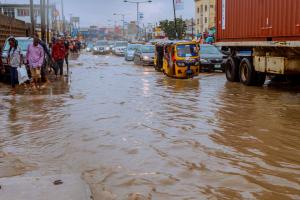
Climate change is a global phenomenon that has been wrecking a lot of havoc in different parts of the world, from Europe to America, parts of Asia especially China and Japan including Africa using Nigeria as a case study. Scientists believe it is caused by the depletion of the ozone layer by gaseous substances emitting carbon monoxide from industries like gas companies and other heavy industries polluting the airspace with their waste products oozing out thick poisonous smoke up into the cloud, also fumes from vehicles. All these emanated from technological advancement the world over. As a result, there is global warming which is a climatic condition that increases the average temperature of the earth’s weather causing extraordinary heat. The resultant effect also is excessive rainfall causing destructive floods while seas and oceans rise and overflow their banks and encroach human habitats submerging houses and vehicles and drowning humans in their thousands. In fact, countries have recorded a lot of disaster culminating from this excessive flooding in the rainy season/winter and excessive heat during dry season. All these have led to series of global summits on how to solve the destructive effects of greenhouse gases and climate change.
More importantly, flooding is fast becoming a plague in Nigeria as the situation is getting worse during every rainy season and the worst hit are the coastal areas in Lagos, Rivers State, Delta, Bayelsa and others who have had their share of this climatic problem which is destroying lives and property in large scale.
It is believed that Lagos state is the worst hit because it is surrounded by lakes, seas and oceans and majorly in urban areas like Victoria Island, Lekki and Ajah, also major commercial centres like Oshodi which are over-flooded thereby disrupting economic activities and displacing residents.
It will be noteworthy to analyse the major causes of flooding in Nigeria viz-a-viz the resultant effects. The commonest causes of flooding in Nigeria is unplanned building structures which are situated on major points that had originally been earmarked for drainages thereby blocking the free passage of water through the right channels to lakes and lagoons down to the sea. Hence, anytime it rains heavily, there will be no escape route for the heavy water so since water must find its way, the result is accumulation at certain areas thereby submerging houses, vehicles and destruction of lives especially in densely-populated places like Agege, Oshodi, Mushin, Ijora and others. Another reason for flooding is improper waste management through indiscriminate dumping of refuse by people into drainages, and the accumulation of it blocks small gutters and bigger drainages and when it rains heavily, the drainages are blocked and water overflows to the roads and rises high enough to enter into buildings destroying people’s property and weakening the foundations of houses which eventually collapses thereby killing inhabitants.The road construction companies with their government contractors have their own share of the blame too because most of them construct major roads without any plan for drainages where flood water can flow into and when constructed, it is usually not big enough to contain flood. So when it rains, the roads are waterlogged causing heavy traffic jam on major highways with potholes which sometimes result in accidents that claim lives of motorists.
Another major cause of flooding especially in big cities most especially Lagos high-brow areas like Lekki, Ajah, Victoria Island is the displacement of oceans and seas through heavy sand filling replacing them with high cost houses for the big-ons and whenever it rains, the ocean is overflown rising above sea level to massively cover the vehicular roads and people’s premises. It also causes regular traffic jam thereby wasting motorists’ productive time to get to their respective places of business. The market women are also not left out especially at major markets like Oshodi who dump refuse indiscriminately. Apart from the offensive odour that is detriment to passsersby, it blocks drainages. For example, two Sundays ago, during a heavy downpour, the Oshodi roads were over flooded to the extent that the transport terminal walls collapsed and the train tracks were over flooded to the extent a little boy who alighted from a train with his mother was drowned.
AKINSEYE OYETAKIN
|
Police arrets suspect over GH¢430,000 robbery...
The Savannah Regional Police Command and the Anti-Armed Robbery Unit have dismantled the robbery gang behind the robbery of two Mobile Money vendors at the Buipe Cattle Market in the Savanna Region.
|
Comprehensive driver licensing: A major step ...
Drivers play an indispensable role in Ghana’s quest to bring sanity to the roads and prevent crashes that result in deaths, injuries and loss of property.
|
Two killed in Russian attacks near Kiev as Ge...
Two people were killed in Russian missile strikes near Kiev on Saturday as German Foreign Minister Johann Wadephul visited the capital days before Ukraine marks the 35th anniversary of its independence - and vowed to keep supporting the war-torn country.
|
 |
|