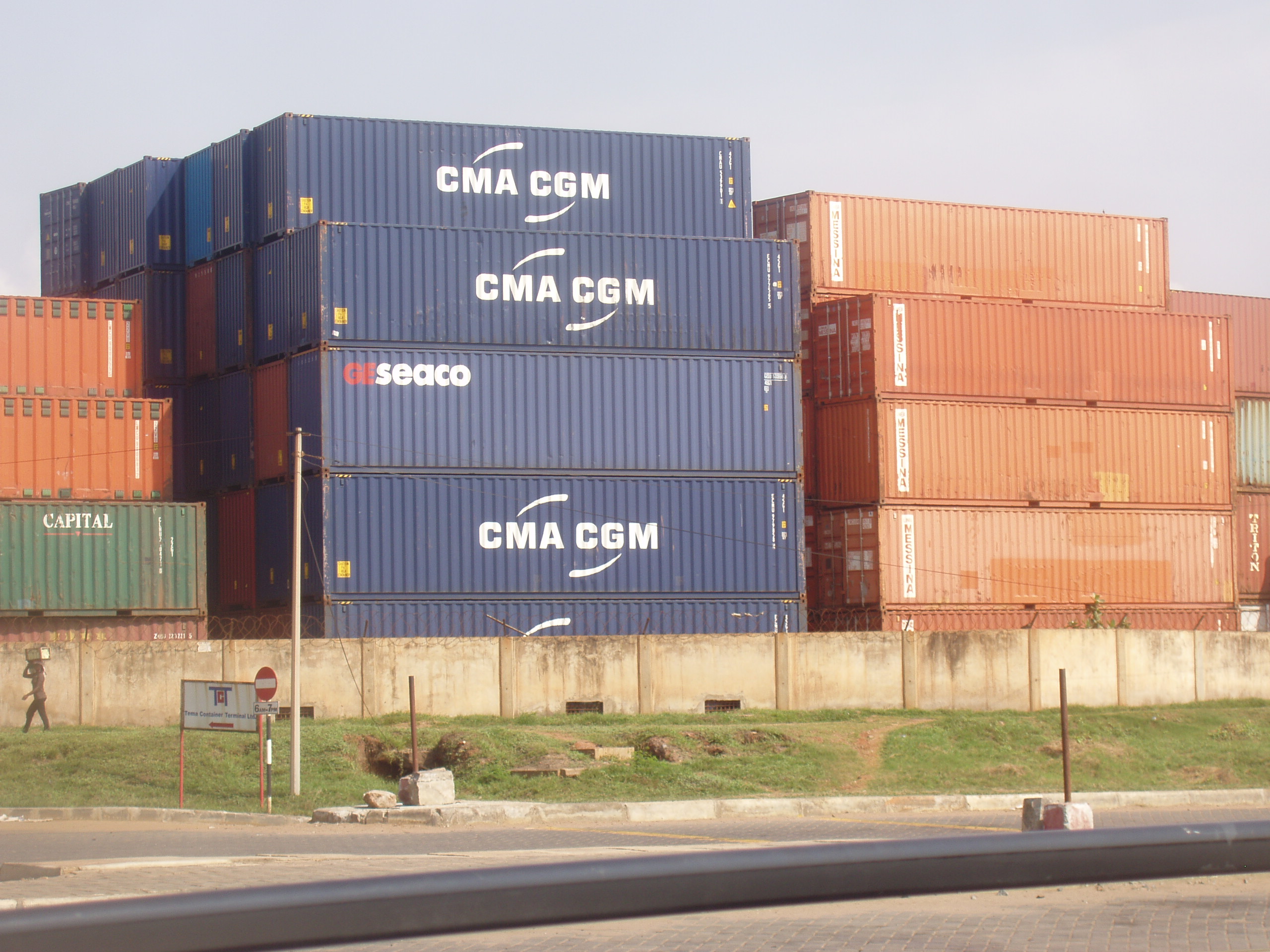
 Ghana is losing billions of dollars through trade related illicit financial flows than it is currently known. The 2026 budget statement of the government presented to the country’s Parliament states that even though the country recorded imports valued at GH¢204 billion (cost, insurance and freight [CIF]) in 2024, only GH¢85 billion was taxable.
The Minister of Finance, Dr Ato Forson told Parliament: “In 2024 alone, Ghana recorded imports valued at GH¢204 billion (CIF), yet only GH¢85 billion was taxable, pointing to misclassification and under-invoicing.”
Trade related illicit financial flows is one of the commonest identified acts in perpetrating illicit financial flows across the world.
According to the Minister the Ghana government will tackle the problem by deploying Artificial Intelligence (AI)-driven pre-arrival inspections for all cross-border shipments.
“This technology will detect under-valuation, flag high-risk goods, and strengthen Customs’ capacity to combat smuggling, improve safety, and protect national security. By integrating automation into port operations, we expect to significantly boost customs revenue, enhance trade efficiency, and close long-standing revenue gaps,” he said.
The Minister highlighted Ghana’s leadership role within the Africa Group in shaping the emerging United Nations Framework on International Tax Cooperation.
“Once adopted, this framework will empower countries like ours to effectively tax non-resident digital and multinational companies, curb illicit financial flows, and recover revenues lost through evasion and avoidance,” he said.
In October this year, African governments, regional institutions, and civil society in their collective efforts to fight against illicit financial flows, they launched the Anti–Illicit Financial Flows (IFFs) Policy Tracker tool, at the 13th Pan-African Conference on Illicit Financial Flows and Taxation (PAC) in Johannesburg, South Africa.
They noted that the Anti-IFFs Policy Tracker tool targets government institutions working on illicit financial flows, civil society organisations, and tax administration policymakers.
According to the organisers, during the piloting phase of the Policy Tracker, they engaged a wide range of national actors, including Ministries of Finance, Revenue Authorities, Financial Intelligence Units, Central Banks, Anti-Corruption Agencies, Public Procurement and Concessions bodies, National Audit institutions, and civil society organisations, in ensuring that the tool captures the institutional landscape necessary for combating IFFs and strengthening accountability.
Present at the official launch on October 8, 2025, was Thabo Mbeki, Former President of South Africa and Chairperson of the High-Level Panel on IFFs from Africa.
The organize argue that the launch signifies a shared commitment to advancing transparency, accountability, and sustainable domestic resource mobilisation across Africa.
“Illicit financial flows continue to drain billions of dollars from African economies each year, undermining public service delivery and slowing progress toward the Sustainable Development Goals,” they said.
The tool provides comprehensive, up-to-date information for tracking policy implementation and government actions on tax-based IFFs. It is designed to provide an objective, standardised, and data-driven assessment, enabling stakeholders to identify policy gaps, track progress, and understand the effectiveness of reforms.
It was developed by Tax Justice Network Africa, in collaboration with the African Union Commission and the African Tax Administration Forum, building on the recommendations from various reports that have extensively documented procedures needed to combat IFFs, including the High-Level Panel report on Illicit Financial Flows from Africa and recent reports such as the High-Level Panel on International Financial Accountability and Transparency.
The following countries Ghana, Uganda, Côte d’Ivoire, Namibia, and Liberia, were part of the pilot phase.